
Knowing what to look for is the first step to getting rid of bed bugs. The signs are easy to miss if you do not know what you are looking at. A professional bed bug inspection checks all the common hiding spots and looks for every stage of the bug’s life.
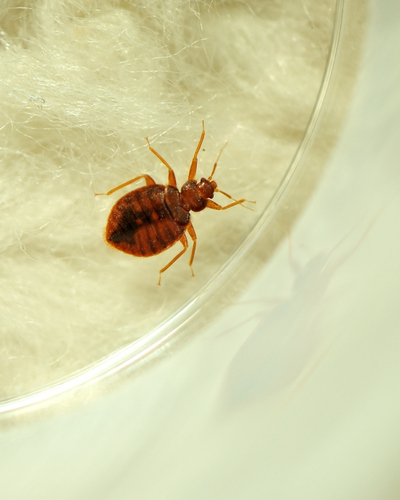
Adult bed bugs are flat, oval, and reddish-brown. They are about the size of an apple seed, or 4 to 5 mm long. After feeding, they look darker and swollen.
Nymphs are young bed bugs. They are 1 to 4 mm long. Before they feed, they look pale or almost see-through. After a blood meal, they turn darker.
Eggs are tiny, about 1 mm, white, and shaped like a small pear. Female bed bugs lay eggs in groups of 10 to 50 at a time. They put them in hidden cracks and seams where they are hard to see.
Shed skins look like see-through shells left behind as bed bugs grow. Finding shed skins near a mattress or baseboard is a clear sign of bug activity.
Bedrooms in Rapid City homes, motel rooms, apartments, and vacation rentals near the Black Hills are all common places where these signs show up.
Bed bugs squeeze into any tight space close to where people sleep. Common hiding spots include:
Bed bugs hide in tight cracks and seams near beds, furniture, luggage, and wall voids. In apartments, hotels, and short-term rentals in Rapid City and the Black Hills, they can also travel through shared wall spaces from one unit to another.
Bed bug bites often show up overnight. Most people notice them when they wake up in the morning. Bites usually appear in clusters or lines of 3 to 5 on skin like arms, legs, and shoulders.
The bites can cause itching, red welts, and skin irritation. Some people react more strongly than others. A few people show no reaction at all, which makes the problem harder to find.
Bite marks alone do not confirm a bed bug problem. Other bugs and skin issues can look similar. A proper bed bug inspection is always needed to find the source. Rapid City residents often notice bites after sleeping in bedrooms, hotels, or vacation rentals, especially after travel.
Knowing every life stage helps confirm an infestation and avoid missing hidden bugs. All four stages can be in one property at the same time.
| Life Stage | Size | Appearance | Where They Are Found | Threat Level |
|---|---|---|---|---|
| Adult Bed Bug | 4 to 5 mm | Flat, oval, reddish-brown, apple-seed shaped | Mattress seams, box springs, furniture joints, cracks near sleeping areas | High |
| Nymph (Young Bed Bug) | 1 to 4 mm | Smaller, pale or see-through before feeding, darker after feeding | Same spots as adults; often deeper in cracks and seams | High |
| Egg | About 1 mm | White, pear-shaped, laid in clusters of 10 to 50 | Hidden cracks, seams, crevices, furniture joints | High because of future infestation potential |
| Shed Skin | Varies by growth stage | See-through husk-like shell | Near active harborage sites, mattresses, furniture, baseboards | Medium as evidence of activity |
Bed bugs grow from eggs to nymphs to adults. All stages can be in one infestation at the same time. Seeing only adult bugs does not mean the problem is small. Eggs and hidden young bugs are the main reason DIY attempts fail and the bugs come back.
Inspections in Rapid City homes and lodging must check for all life stages, not just the adult bugs that are easiest to see.
Finding a bed bug problem early can make treatment faster and less costly. The signs are not always easy to see, but they are there if you know where to look.
Common bed bug signs include:
Dark fecal spots, blood stains, shed skins, eggs, and clustered bite marks are the most common bed bug signs. The National Pest Management Association reports a 65% increase in bed bug encounters in recent surveys. This shows how widespread the problem has become across the country.
Many of these signs hide deep in seams and cracks. That is why a professional bed bug inspection is the best way to confirm activity. Rapid City bedrooms, Black Hills vacation rentals, and South Dakota apartment units are all places where these signs are found. They often go unnoticed until the problem gets bigger.
Bed bugs usually spread by hitchhiking on luggage, clothing, furniture, and personal items. They do not jump or fly. They crawl from one surface to another and hide in bags, coats, and secondhand items without being seen.
Common ways bed bugs get into a home or business include:
Getting rid of bed bugs in a multi-unit building is harder because the bugs can move between units. Rapid City apartments and commercial lodging are common places where this kind of spread happens.
Rapid City and the Black Hills are in a busy tourism area. This means high hotel turnover, lots of luggage coming and going, and people moving through the area all season. The Sturgis Rally brings about 500,000 visitors to the region in August. Mount Rushmore draws travelers all summer. This level of foot traffic and lodging demand raises the chance that bed bugs get brought into local homes and businesses.
South Dakota’s warm summer travel season is the highest-risk time for bed bug introductions. Any home or business in the Rapid City area that has seasonal guests or high-turnover lodging should think about regular professional bed bug treatment as part of their plan.
For information about keeping other pests out of indoor spaces, see the page on other indoor pests.
Bed bugs do not spread disease, but their bites can cause real issues. The U.S. Environmental Protection Agency says bed bugs do not have confirmed disease transmission. However, their bites can cause itching, allergic reactions, worry, sleep problems, and skin irritation.
Scratching bite marks can sometimes lead to a skin infection. For people with sensitive skin or allergies, reactions can be worse.
Beyond physical discomfort, a bed bug problem affects daily life. Sleep loss builds up over time. Worry and stress increase when people are not sure if bugs are in their bed. These effects are especially serious in rental properties, hotels, and homes with children or older residents.
Bed bugs do not chew through wood or damage building structures. But they spread quickly to furniture, bedding, and shared spaces. In Rapid City apartments and Black Hills rentals, that spread can move across several units before anyone finds the source. Professional bed bug treatment is the most reliable way to stop that spread before it gets worse.
Bed bugs do well indoors at temperatures between 70 and 90 degrees Fahrenheit. South Dakota’s cold winters do not stop them because they live inside heated buildings all year. They can also live for months without feeding, which makes them hard to starve out.
Rapid City and the Black Hills have a mix of things that raise bed bug risk. Tourism brings in visitors from across the country. Hotels, motels, and vacation rentals turn over quickly. Seasonal events like the Sturgis Rally and peak summer travel around Mount Rushmore mean thousands of new bags and belongings pass through the area every week.
Apartments and multi-unit housing in Rapid City are especially at risk. Once one unit has an infestation, the bugs can move through wall voids and electrical openings to reach nearby units.
Tourism, hotel turnover, and seasonal travel increase the chance bed bugs are brought into local buildings. That is why regular bed bug inspection and professional bed bug treatment matter in this region more than in areas with fewer visitors.
JanTech Pest Control uses a step-by-step process to find bed bugs, treat the problem, and confirm it is gone. The process is made to work for homes, apartments, hotels, and commercial properties throughout Rapid City and the Black Hills.
Step 1: Inspection and Confirmation
A technician checks all common hiding spots. This includes mattress seams, box springs, bed frames, headboards, furniture joints, baseboards, electrical outlets, and nearby rooms. The goal is to confirm if bed bugs are present and to rule out other pests or skin issues that might look similar. The technician notes fecal spots, eggs, shed skins, live bugs, and any bite reports from the people living there.
Step 2: Severity and Spread Assessment
Once activity is confirmed, the team finds out how far the bugs have spread. Is the problem limited to one room? Has it moved into multiple rooms or units? Is the property a single-family home, an apartment building, a hotel, or a commercial space? These answers shape the treatment plan.
Step 3: Treatment Plan Selection
JanTech picks the right treatment method based on the property, how bad the problem is, and who lives there. Three main options are available:
Step 4: Treatment Application
Technicians apply the chosen treatment to hiding spots, seams, baseboards, furniture joints, and other hiding places. Heat treatment usually takes 6 to 8 hours and is often a one-visit job. Chemical treatment typically takes 2 to 4 hours per visit. It may need 2 to 4 visits over 3 to 6 weeks to deal with eggs as they hatch.
Step 5: Follow-Up and Monitoring
JanTech plans a follow-up inspection about two weeks after the first treatment. Monitoring tools like interceptors, which are small devices placed under bed legs to catch bugs, help track any leftover activity. If bites or sightings continue, the team checks again and changes the plan.
Professional bed bug treatment works in a clear order: inspection, targeted treatment, and follow-up monitoring. Each step matters. Skipping one can leave the problem unfinished.
Contact JanTech Pest Control at 605-391-9998 for a free bed bug inspection in Rapid City and the Black Hills area. The team serves homes and businesses and will build a treatment plan that fits your property and situation.
Bed bug treatment cost depends on several things. There is no single price for every job. The size of the problem, the number of rooms involved, the square footage of the property, the property type, and the treatment method all affect the final cost.
Single-room chemical treatment generally costs less upfront than a whole-home heat treatment. Heat treatment usually costs more to start because it needs special equipment and more time per visit. However, chemical treatment may need 2 to 4 visits over several weeks, which adds up over time.
Severe problems or multi-room jobs cost more because of the extra work and follow-up visits needed. For Rapid City homes and Black Hills apartments, the size of the space and the number of units affected are key factors.
Professional bed bug treatment is often more cost-effective than repeated DIY attempts. Store-bought sprays miss eggs and bugs in hidden seams. This means the problem comes back. Each failed DIY try delays real treatment and lets the problem grow.
What affects bed bug treatment cost most is problem size, room count, square footage, and whether heat or chemical treatment is used. Call JanTech Pest Control at 605-391-9998 for a detailed estimate after an in-person inspection. There is no accurate way to price bed bug removal without seeing the property first.
Good preparation helps treatment work better. When hiding spots are easy to reach, technicians can get to more places and apply treatment more thoroughly.
Here is what to do before a bed bug treatment visit:
Preparation helps expose hiding spots and makes the treatment work better. For Rapid City homeowners, Black Hills renters, and apartment units, good prep before the technician arrives can cut down the number of follow-up visits needed.
For more tips on protecting your home, visit JanTech’s residential pest control page.
Stopping bed bugs is easier than treating them. Good habits at home and during travel lower the chance of bringing bugs inside.
During Travel:
At Home:
For Multi-Unit and Commercial Properties:
Travel checks, mattress covers, and regular monitoring help stop new problems from starting. For Rapid City travelers and Black Hills property managers, building these habits into regular routines lowers the risk of a major infestation.
Visit the residential pest control page for more information on keeping homes protected all year.
Some bed bug problems can seem manageable at first. But most DIY methods do not work. Store-bought sprays do not reach eggs hidden in mattress seams and deep cracks. When eggs hatch, the problem starts again.
Call a professional bed bug exterminator when:
Waiting to get professional bed bug treatment gives bugs more time to spread and more hiding spots to move into. This raises the total cost and the number of visits needed to fix the problem.
Professional help is very important in Rapid City apartments, Black Hills hotels, and commercial properties where bugs can move between units or rooms fast.
Call a professional when bugs keep coming back, spread to multiple rooms, or DIY treatments fail. JanTech Pest Control is ready to help with commercial pest control for businesses and home removal for homeowners throughout the region.
These questions come up often from Rapid City homeowners, Black Hills renters, and property managers dealing with bed bug concerns. Each answer gives a clear, complete response.
No, bed bugs do not have confirmed disease transmission. Their bites can still cause itching, allergic reactions, worry, and sleep problems. Scratching can sometimes lead to a skin infection. While they are not a disease risk, the physical and mental effects of an infestation are real and should not be ignored.
The time depends on the treatment method. Chemical treatment typically takes 2 to 4 hours per visit. It may need 2 to 4 visits spread over 3 to 6 weeks. Heat treatment often takes 6 to 8 hours and is usually finished in one visit, though monitoring may still be needed after. Chemical treatment may take weeks with repeat visits. Heat treatment is often done in one day.
Not always. Many mattresses can be treated and protected with a cover instead of replaced. The choice depends on how bad the problem is and the condition of the mattress. A professional inspection will help decide if treatment is a better option than throwing it away.
Heat treatment can kill all life stages in one visit when done right, but it usually costs more upfront. Chemical treatment may be more affordable at first and works well for targeted or multi-visit control. Heat treatment kills all life stages quickly. Chemical treatment may be a better fit for some budgets and property types. A JanTech technician can help decide which method fits your property and how bad the problem is.
Yes, bed bugs can return if eggs were missed, follow-up was skipped, or new bugs were brought in through travel, furniture, or neighboring units. Stopping bugs and checking after treatment are important steps. Bringing bugs back in from luggage or used furniture is one of the most common reasons a problem returns after treatment.
Call right away. The sooner a professional bed bug inspection happens, the easier it is to limit the spread. Early treatment reduces how many rooms are affected and how many visits are needed. If you see fecal spots, bite marks, shed skins, or live bugs in a Rapid City or Black Hills home, the time to call is now.
For questions about commercial pest control for businesses dealing with bed bugs, JanTech has experience with hotels, multi-unit housing, and commercial properties throughout the region.
JanTech Pest Control has served Rapid City, SD and the Black Hills since 2012. Owners Rob and Megan Jehorek built the company around honest service, care for the community, and results that last.
The team handles bed bug treatment and removal for both homes and businesses. This includes single-family homes, apartments, hotels, motels, offices, and short-term rentals. JanTech brings local knowledge to every job. The team understands how South Dakota’s tourism patterns, seasonal travel, and local weather affect bed bug risk.
Local experience matters when treating bed bugs in the Black Hills area. The team knows what seasonal spikes look like, how multi-unit properties in Rapid City are set up, and what conditions make certain properties higher risk. This knowledge shapes how each treatment plan is made.
JanTech Pest Control provides bed bug treatment in Rapid City and the Black Hills for homes and businesses of all sizes. The focus is always on safety, thoroughness, and finding a solution that fits the property and the people who live or work there.
JanTech Pest Control provides bed bug treatment services built around each property’s specific needs. The company is locally owned, focused on the community, and ready to help when Rapid City and Black Hills residents need help with a bed bug problem.
Bed bug treatment starts with inspection. There is no way around that step. A proper inspection finds all the hiding spots, confirms the problem, and gives the technician the information needed to pick the right treatment method.
DIY products often miss eggs and bugs hiding in deep seams and cracks. When eggs hatch, the problem starts over. Early professional bed bug removal is usually faster and less costly than waiting and trying multiple store-bought treatments that do not fully work.
JanTech Pest Control serves homes and businesses across Rapid City and the Black Hills. Whether the problem is a single bedroom, a multi-unit building, or a commercial property, the team has the experience and tools to handle it.
If you see bed bug signs, do not wait. Schedule a bed bug inspection today with JanTech Pest Control. Call 605-391-9998 to protect your Rapid City home or business and get a treatment plan made for your specific situation.