
Not every rodent problem is the same. The right pest control plan depends on knowing which species you have. House mice, deer mice, Norway rats, and pack rats all act differently. They nest in different spots and need different treatments.
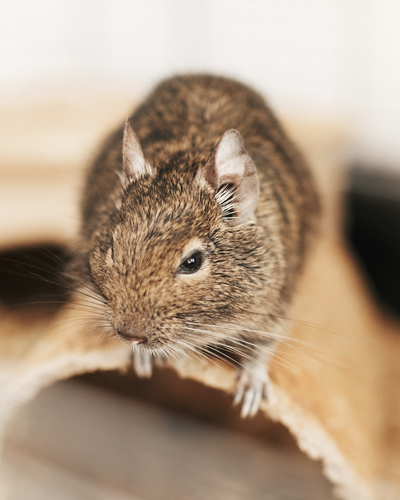
House mice are the most common indoor pest in Rapid City homes. They are small and gray-brown with little ears. They climb well and nest inside walls, cabinets, and attics.
Deer mice have two colors. They have a white belly and a darker back. They are common in garages, sheds, attics, and outbuildings near the edge of the Black Hills. You need to identify deer mice correctly because they are a main carrier of hantavirus here in the Northern Great Plains.
Norway rats are bigger than mice. They have a gray-brown coat and a blunt nose. They usually stay near ground level in basements, burrows, and lower areas of buildings. Rat control often focuses on these lower entry zones.
Pack rats, also called wood rats, are native to the Black Hills. They have bushy tails and large ears. They build big nests inside garages, sheds, attics, and outdoor structures.
| Species | Size | Appearance | Habitat | Threat Level |
|---|---|---|---|---|
| House Mouse | 3-4 inches body | Gray-brown, small ears | Attics, walls, cabinets | Moderate: contamination and gnawing |
| Deer Mouse | 3-4 inches body | Bicolored, white belly | Rural areas, garages, attics | High: hantavirus risk |
| Norway Rat | 7-9 inches body | Gray-brown, blunt nose | Basements, burrows, lower levels | High: contamination, structural damage |
| Pack Rat / Wood Rat | 5-7 inches body | Bushy tail, large ears | Garages, sheds, nests in structures | Moderate: nesting and contamination |
The deer mouse is the most concerning rodent in our area. It is a primary hantavirus carrier, especially around rural and semi-rural parts of Rapid City. House mice are the most common species found indoors. Norway rats tend to stay at ground level and are more common in urban and business areas.
Knowing what to look for helps you catch a rodent problem early. Mice in walls often show up first as noises at night, droppings near wall edges, and chew marks around utility openings. Spotting these signs quickly makes mouse removal much easier.
Droppings
Mouse droppings are about a quarter inch long with pointed ends. Rat droppings are about three quarters inch long with blunt ends. The location of droppings shows where rodents travel, feed, and nest. Check along walls, inside cabinets, and near food storage areas.
Gnaw Marks
Rodents chew all the time. Look for chew marks on wood, electrical wires, food packaging, plastic containers, and insulation. Chewed wires are a serious fire hazard and a clear sign of active rodents.
Noise at Night
Scratching, scurrying, or chewing sounds in walls or ceilings are common signs. Rodents are most active after dark. If sounds come from walls or above the ceiling, the infestation may be inside the structure.
Nesting Material
Rodents shred paper, fabric, insulation, and plant material to build nests. Finding these materials in drawers, behind appliances, or in storage areas points to an active nest nearby.
Grease Marks
Rodents leave dark rub marks along the paths they travel. Look for these marks along baseboards, joists, and pipe runs. These oily streaks come from fur contact over time.
Urine Odor
A strong ammonia-like smell in enclosed spaces is a sign of a heavy or ongoing infestation. In older Rapid City homes with basements, crawl spaces, or attic voids, odors can build up fast.
Food Damage
Check pantry items, pet food, and stored grain or bird seed. Holes in packaging and chewed corners are common signs of rodent activity. This is one of the first things many homeowners notice before they see droppings.
Rodents are more than a nuisance. They bring real health and safety risks into homes and businesses across Rapid City and the Black Hills.
Hantavirus Pulmonary Syndrome
Deer mice can spread hantavirus pulmonary syndrome through their droppings, urine, and saliva. South Dakota has documented hantavirus cases. The disease is part of a broader risk across the Northern Great Plains where deer mice are the primary carrier. Early symptoms can look like the flu. The illness can be fatal.
If you find deer mouse droppings, the area must be cleaned using wet methods. Do not sweep or vacuum the droppings. Wetting the area with a bleach solution first lowers the risk of breathing in contaminated particles. For any situation involving possible deer mouse contamination, professional help is the safest choice.
Salmonella and Bacterial Contamination
Rodent droppings and urine carry bacteria like Salmonella. These can spread to food-contact surfaces, countertops, and stored food. Homes and businesses with active infestations face a real sanitation risk.
Electrical Fire Hazard
Rodents chew on wiring. Damaged insulation around electrical lines is one of the leading causes of rodent-related structure fires. This risk is often hidden inside walls until major damage happens.
Structural Damage
Chewing and nesting activity damages insulation, ductwork, vapor barriers, and stored items. In rural Black Hills properties and outbuildings, pack rats and deer mice can cause serious damage before you notice the problem.
Food Contamination
Businesses in Rapid City that store or serve food face extra risk. Active infestations can trigger failed health inspections and cost businesses their food safety certifications.
Rapid City sits at about 3,200 feet in elevation on the eastern edge of the Black Hills. That geography creates a mix of grasslands, forests, and suburban neighborhoods. This combination supports year-round rodent populations right at the edge of developed areas.
Rodent complaints in Rapid City rise sharply in fall. As temperatures drop, mice and rats move indoors looking for warmth and food. This indoor push often starts as early as October and continues through winter.
The rural-suburban edge around the Black Hills gives rodents a steady home just outside most neighborhoods. When conditions get cold, the path from the treeline or grassland to a garage, shed, or crawl space is short.
Older Rapid City homes often have gaps around older plumbing, settled foundations, and aging siding. But newer builds also have gaps where utility lines enter the structure. Rodents need very little space. They use these openings in both old and new construction.
Basements, crawl spaces, garages, sheds, and outbuildings are the most common first entry points and hiding areas. Once inside, rodents move through wall voids and ceiling spaces fast.
Some species, like house mice, stay active all year indoors. Others, like pack rats, can move in and out seasonally. Local conditions create a predictable seasonal surge, but the pressure never fully goes away.
Effective mouse removal and rat control needs a clear, step-by-step plan. Trapping alone is not enough. Rodents that get back in will restart the problem within days. JanTech’s rodent control process is built around finding the source, sealing it, removing active rodents, and monitoring to make sure the problem stays gone.
The process starts with a full inspection of your property. This includes basements, crawl spaces, attics, garages, cabinets, utility penetrations, and exterior foundations.
The goal is to identify the rodent species present, find droppings, rub marks, nests, and chew damage, and check if deer mice may be involved. Knowing the species shapes every decision we make next.
After the inspection, our team makes a treatment plan based on what we found. House mice, deer mice, Norway rats, and pack rats all behave differently. Trap placement, seal priorities, and monitoring methods change depending on the species.
This step also decides whether exterior bait stations, interior snap traps, monitoring stations, or a mix of methods will be used. A clear plan keeps the treatment focused and effective.
Exclusion is the most important step for long-term rodent removal. This is what stops re-entry.
Mice can get through gaps as small as a quarter inch. Rats need only half an inch. Our team seals openings around pipes, vents, foundations, siding, and utility lines using durable materials. These seals are built to hold up over time, not just serve as a temporary patch.
Without exclusion, trapping only removes the rodents already inside. New ones will keep coming in.
Snap traps are placed along active travel paths where rodent activity has been confirmed. Monitoring stations are added in areas where activity needs to be tracked over time.
Exterior bait stations are used when population pressure from outside the structure needs to be lowered. The goal is to get rid of the active population, not just catch a few stragglers.
After active rodents are removed, safe cleanup begins. Contaminated areas are treated using wet-cleaning methods. A bleach solution is used where needed to lower health risks from droppings and urine.
Our team then reinspects the property and monitors for any new signs of activity. If pressure continues, treatment is adjusted. Follow-up visits continue until activity stops and all entry points are confirmed secure.
JanTech Pest Control offers free rodent inspections and estimates for homes and businesses in Rapid City and the Black Hills area. Call 605-391-9998 to schedule a free inspection and estimate today. Our team is ready to help with residential and commercial rodent control services across Rapid City and the surrounding Black Hills communities.
Prevention is the first line of defense against mice and rats. The best way to get rid of mice naturally starts outside the home. Sealing exterior access points before rodents move in is far easier than dealing with an active infestation inside.
These steps can reduce rodent entry pressure on any Rapid City property:
In Rapid City, fall is the best time to do a full exterior check. Getting ahead of the October surge can prevent a winter infestation. Many of these steps are simple to do on a weekend, and they pay off through the entire cold season.
Businesses in Rapid City and across the Black Hills face a different kind of rodent problem. A single rodent sighting in a restaurant, grocery store, or warehouse can trigger a failed health inspection. For commercial properties, rodent pest control is about more than removal. It is about compliance and documentation.
JanTech provides rodent control services for warehouses, restaurants, grocery stores, retail spaces, and other commercial properties. The service includes tamper-resistant bait stations placed in areas where employees, customers, or food products could otherwise come into contact with standard traps.
Service reports are provided after each visit. These records document what was found, what was done, and what follow-up is scheduled. This kind of paper trail supports food safety audits and health inspection compliance.
A business cannot rely on one-time trapping. A documented, monitored plan is what health inspectors and food safety auditors expect to see. JanTech builds plans that give commercial customers the consistency and records they need.
For more information on commercial pest control options, visit JanTech’s pest control services page.
There are times when DIY efforts are not enough. Knowing when to call a mouse exterminator near you can save time, money, and health risk.
Call a professional when:
DIY products can catch some mice. But they do not seal entry points and they do not address the source. Without exclusion, the same gaps that let rodents in before will keep letting them in.
| Aspect | DIY Approach | Professional Service |
|---|---|---|
| Exclusion | Hard to find and seal small gaps | Full inspection, durable seals |
| Safety Risk | Hantavirus exposure without proper precautions | Trained cleanup with wet methods |
| Recurrence Likelihood | High without exclusion | Lower with sealing and monitoring |
| Cleanup Requirements | Risk of improper handling | Safe, documented sanitation process |
The cost of rodent control services depends on several things. These include how bad the infestation is, the species involved, the size of the property, how many areas need to be accessed, whether cleanup is needed, and how many follow-up visits are required.
A free inspection is the best way to get an accurate estimate. There is no way to give a fair number without knowing what is actually happening on the property.
Call JanTech Pest Control at 605-391-9998 to schedule a free inspection for Rapid City homes and Black Hills properties.
Mice can enter through openings as small as a quarter inch around pipes, vents, utility lines, and foundations. These gaps are often hidden behind appliances, inside utility closets, or along the base of exterior walls. Many entry points are hard to spot without a full inspection. That is why checking the entire exterior is part of any thorough rodent removal process.
Yes. Deer mice can spread hantavirus through their droppings, urine, and saliva. Early symptoms look like the flu. The illness can become life-threatening. Mouse contamination can also carry bacteria like Salmonella. If deer mouse activity is suspected in a Rapid City or Black Hills property, contaminated areas should be cleaned with wet methods. Do not sweep or vacuum droppings without proper precautions.
Rats are much larger than mice. Mouse droppings are about a quarter inch long with pointed ends. Rat droppings are about three quarters inch long with blunt ends. Mice tend to climb and nest in walls and attics. Norway rats usually stay closer to ground level, near basements and burrows. Rat control and mouse removal require different trap placement and sealing priorities.
Many infestations improve within one to two weeks of treatment. But lasting control depends on exclusion and monitoring. If entry points are not sealed after trapping, new rodents will move in. Follow-up visits help confirm that activity has stopped and that all access points remain secure.
The cost of rodent control depends on the size of the infestation, the species involved, the areas that need to be accessed, any cleanup required, and the number of follow-up visits needed. The best way to get an accurate number is to schedule a free inspection and estimate. Call JanTech Pest Control at 605-391-9998 to get started.
Getting rid of mice in walls requires inspection, trapping, and exclusion. Trapping without sealing entry points will not stop the problem. New mice will enter the same gaps. Professional help is strongly recommended when rodent activity is inside walls or ceilings. A trained technician can locate hidden entry points and seal them properly after the active population is removed.
Rodent control works best when it is built on a complete plan. That means inspection, exclusion, trapping, sanitation, and monitoring working together. No single step is enough on its own.
In Rapid City and the Black Hills, the seasonal pressure is real. Cold weather pushes rodents indoors starting in October. The rural terrain around the Black Hills keeps outdoor populations strong all year. And the presence of deer mice in our region means that health risk is always part of the picture.
Whether the problem is house mice in the kitchen, deer mice in the garage, Norway rats in the basement, or pack rats in an outbuilding, the answer is the same. Find the source, seal the entry points, remove the active rodents, and monitor to make sure the problem stays solved.
JanTech Pest Control has helped Rapid City homeowners and businesses do exactly that since 2012. Our team understands local rodent behavior, South Dakota’s seasonal patterns, and the specific risks that come with Black Hills properties.
Do not wait for the problem to get worse. Call JanTech Pest Control at 605-391-9998 to schedule a free inspection and estimate. Residential and commercial rodent control services are available throughout Rapid City and the Black Hills area.
Visit JanTech’s pest control services page to learn more about what JanTech offers.